
Launching an indie mobile game without any kind of promotion or strategy will get your game lost among thousands of other titles, especially if it’s an indie game. You need a marketing plan that will help you get noticed and attract the right kind of audience.
Here are some strategies that may help you.
9 key strategies to promote your mobile game:
1. Optimise Your App Store Presence (ASO)
This is your front door. If this isn’t visible, all your other marketing efforts will struggle to deliver results.
Why App Store Optimisation Matters
When players search on the App Store or Google Play for a game, they usually type keywords related to search for that game. With the right app store optimisation, more players will find your game with the right search terms.
Key Elements of an Effective Listing
When setting up your store listing, focus on these components:
Title and Subtitle
Your title should be clear, descriptive, and include your primary keyword where possible.
Think about what players are likely to type when searching for a game like yours. Your title and subtitle should include these keywords. For example, terms such as “puzzle adventure”, “tactical battles”, “casual arcade”, or “card combat game” can help your game appear in relevant searches.
On the Apple App Store, you can also add relevant keywords to the keyword field.
Keywords
Research keywords that players are typing into the store.
Terms like “puzzle adventure”, “tactical battles”, “casual arcade”, or genre combos such as “card combat game” help you match search intent. Use these keywords in your title, subtitle, and, in the case of the Apple App Store, the keyword field.
Description
It should give players a clear idea of what your game is about and why they should play it.
For example, you can start with a short introduction highlighting what makes your game worth downloading and then follow it up with short paragraphs or bullet points that describe or explain your game’s main features.
Visuals and Video
These give your potential players a first look at your game, so make sure they show the kind of experience they should be expecting. You may include a selection of high-quality screenshots that highlight certain gameplay, characters, and features players may want to see.
Including short captions with each element can also help explain what each screenshot or video is about or what it is showing.
Ratings and Reviews
These can influence anyone who wants to download a game. Encourage players to review the game after they beat a level or reach an achievement and not during crucial gameplay moments.
Responding to those reviews also helps. You should thank players for their positive feedback and address concerns raised in negative reviews.
Step-by-Step ASO Implementation
- Research Relevant Keywords
Tools like Sensor Tower or AppMagic can help with keyword research. Look for search terms that are related to your game and target audience. - Write a Clear Title and Subtitle
Make sure that your main keyword is naturally combined with a title that describes your game. - Create a Benefit-Focused Description
Your description should explain what makes your game worth downloading. - Improve Your Visuals
Use screenshots that show your game’s visuals and what they can expect. You can also use simple text to provide more information. - Test and Improve Your Listing
Keep an eye on your game’s metrics like conversion rates and visibility to keep track of your performance in order to adjust when needed. This would be around 4 to 8 weeks after release.
Target Benchmarks for ASO
There’s no specific conversion rate your game should be aiming for. Performance can vary depending on the genre, platform, audience, market, and quality of the store listing. It’s better to focus on whether your store page is improving over time.
2. Partner with Relevant Influencers
Find Creators Who Fit Your Game
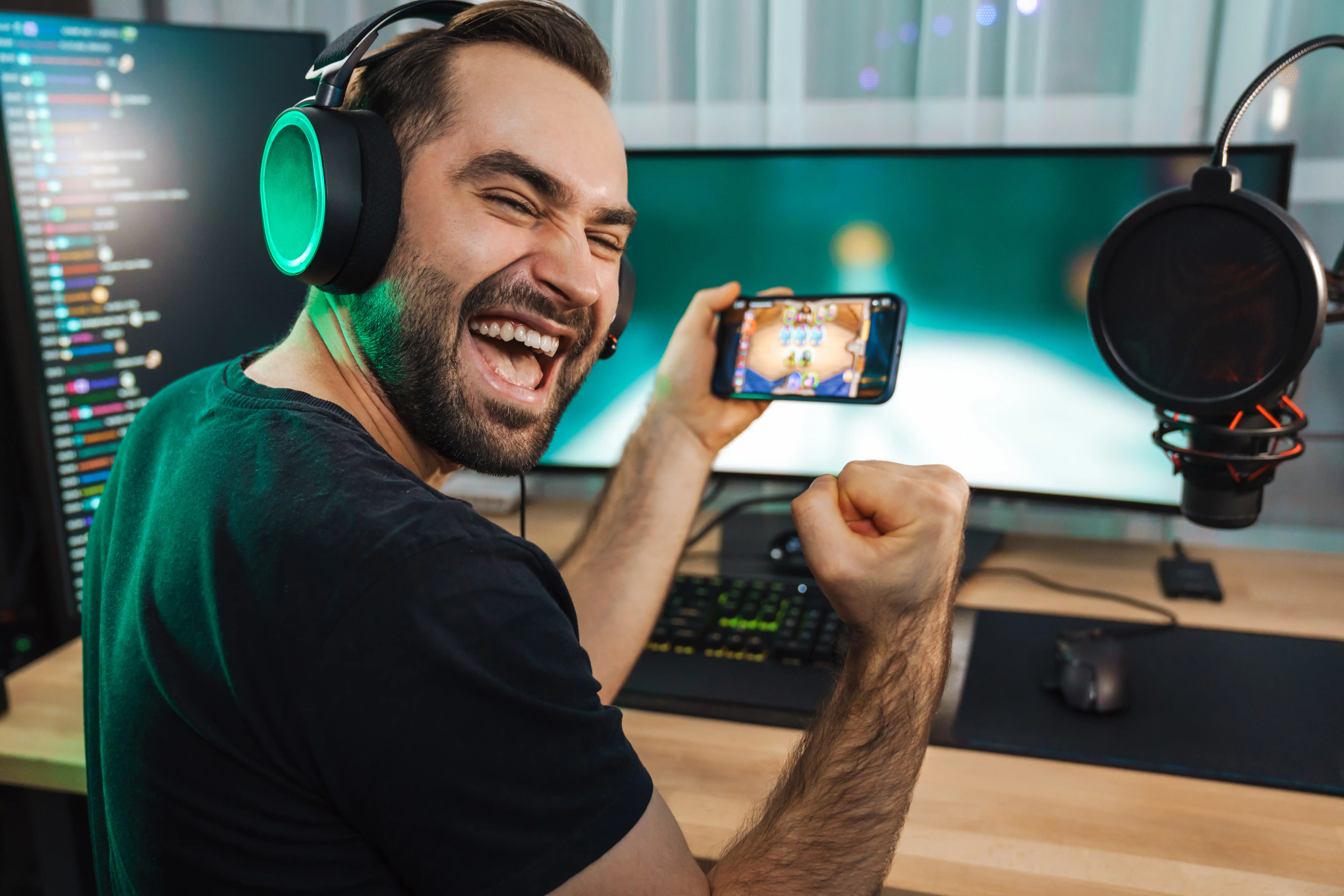
Look for creators whose audience are mostly mobile game players and/or plays a genre your game belongs to. Macro and mid-level content creators fit well because their audience are usually more closely connected to their content.
But follower count should not be the only basis when you choose a creator. Look at their comments, shares, views, and how active their community is.
Check Their Content Before Reaching Out
Checking out the content of the creator you plan to partner with will give you a good idea as to whether they fit your brand or if their audience is your target market as well.
Give Influencers Room to Be Creative
Give the creator you’re working with enough information to understand your game and what features you want to highlight. But don’t give them an overwritten script. Allow them the creative freedom that will present your game in a way that is natural to them and their audience.
Providing early access and exclusive content will also give their followers more reason to check out your game.
Track the Results
You want creators who can introduce your game to a wide number of people. Use codes, links, or other tracking methods to make it easier to see which creators are able to drive installations and whether those players continue to engage with the game.
3. Engage Players on Social Platforms
Building awareness on social media before launch can help keep people interested, even after your game is released. Post something that’ll make people excited and more people to follow. While you can post any content on any social platform, some work better than others. It’s best to just focus on the ones where your target players are most likely to spend their time. For instance:
TikTok and Instagram - can be useful for short gameplay clips, character reveals, challenges, and other visual content.
YouTube - Longer-form content such as tutorials, gameplay videos, developer updates, and behind-the-scenes about your game.
Discord and Reddit - Best for community discussions, feedback, and conversations between developers and players.
But What Should You Post?
Here are some suggestions on what to post.
- Gameplay videos and highlights
- Character and feature teasers
- Development insights, behind-the-scenes
- User made content
Build a Posting Schedule
Being consistent beats posting constantly. Create a schedule that you can realistically follow.
For example:
- Two gameplay or feature posts per week
- One community post, such as a poll or question
- One development update or teaser
Then, maybe after a few days or weeks, check out your metrics to see which posts receive the most comments, shares, and saves. Use those results to guide the content you create next.
%20copy.webp)
4. Run Targeted Paid Campaigns at the Right Time
Paid advertising can help you reach more potential players, but it shouldn't be used to cover up problems with your store listing or game.
Before spending money on ads, make sure your store page, visuals, and messaging are ready to turn that traffic into installs. But remember, low-cost installs are only valuable if those players stick around.
When Should You Use Paid Campaigns?
Paid advertising can help reach more potential players but should only be used if people are visiting your store page but aren't installing the game. If that is the case, work on your ASO and store listing first. Then, once your organic channels are generating interest and your store page is in good shape, that’s when you use paid advertising.
Paid Ad Platforms to Consider
Meta (Facebook and Instagram)
Useful for reaching specific audiences through visual and video-based ads.
Google App Campaigns
Can help promote your game across Google's search, video, and app-related placements.
TikTok Ads
A useful option for short, creative videos that demonstrate your gameplay.
Don’t assume one platform will work for every game. The best one will depend on your target audience, creative assets, and budget.
What Should You Measure?
- Click-through rates (CTR) show how well your creatives are doing.
- Cost per install (CPI) helps you understand how much you're spending acquiring each player.
- Retention shows whether the people you're acquiring are sticking around.
Start Small and Learn
- Identify your target market and audience
- Create different versions of your ads
- Start with a small test budget.
- Compare the results and see which ads and audiences perform best.
- Put more money into the ads that bring in players who keep playing
5. Create Content That Aligns with Player Intent
Players also search for tips and guides for the game they play. Knowing what digital content trends in the video game industry may help with what you create, it will attract those who are interested in your game, and keep the interests of those who are already playing. But start simple. Create content around your game. Here are some suggestions:
- Walkthroughs and strategy guides that answer players’ questions such as “how to beat level x in [game name]” or “quickest way to winning the daily challenges.”
- A guide on how your game works or even an explanation on some of your mechanics. This can help players understand your game better.
- Patch notes with context doesn’t have to be just about what changed. It can include why the changes happened and how it’ll affect the player’s experience.
Keep Search in Mind
Your content should be written with the people and players in mind. Keywords shouldn’t be forced, but they should make sense and sound natural. Internal links can also help connect your content to other relevant pages on your website or social media.
6. Use Cross-Promotion with Complementary Titles
Cross-promotion can be useful if you have multiple games or work with other developers whose audience are also potential players. Here are several ways developers can work together:
- In-app banners that help your partner’s game
- A promotional slot featuring a partner's game
- Sharing each other's content on social media
- Creating joint events or promotions
7. Events and Challenges That Drive Engagement
Give players a reason to come back to your game and try something new. It can also create opportunities for players to have a little friendly competition and interact with one another. For instance, you could host events such as:
- Limited-time challenges
- Leaderboard competitions
- Seasonal events
There are events that fit best with certain games. For instance, competitive games work best with leaderboards while casual games work well with daily and weekly challenges. Rewards can also be given for completing these challenges or even just by sharing their scores and achievements. At the end of the day, the events have to be fun.
8. Choose the Right Marketing Channels
Not every platform is worth your time and not every channel suits every game. Spreading effort across too many platforms is one of the most common mistakes indie mobile developers make. It usually means nothing gains enough traction to matter.
Start by understanding where your players actually spend their time. A casual puzzle game and a competitive action title live in very different corners of the internet, and the channels that work for one will often underperform for the other.
For organic reach, TikTok and Instagram Reels are the strongest discovery formats for mobile games right now. YouTube works well for games with depth and replay value. Reddit is worth exploring if your genre has an active community there.
For paid channels, Meta remains the most reliable starting point for most mobile games given its targeting capabilities and broad reach. Apple Search Ads and Google App Campaigns are worth adding once you have a baseline of what works creatively.
The practical advice is simple: pick one or two channels, commit to them properly, and expand once you have results worth building on. Consistency on fewer channels will always outperform scattered effort across many.
9. Analyse Results and Adjust Your Strategy
Keeping an eye on your marketing results helps you make changes when needed. Some metrics that should be tracked include:
- Installs by Source - helps you track where people are installing your game from.
- Retention Rates - can be used to see whether players are continuing to play even after installing.
- Engagement Metrics - can give you a better understanding of how players are interacting with your game.
Keep Testing
For example, you could test:
- A new app icon
- Different screenshots
- A revised store description
- New ad creatives
You should be reviewing your results regularly, looking for areas that can be improved. Change where possible so that it’s easier to understand what is actually affecting your results.
FAQ
How do I promote my mobile game with no budget?
Start with the areas you can control. Improving your ASO, creating consistent social content, building relationships with relevant creators, and encouraging your existing players to share the game.
What should an indie developer focus on first?
You can start with your store listing. Make sure that your title, screenshots, and other store assets are able to communicate clearly what your game is about. Afterwards, you can start building a social presence by reaching out to the right creators and communities.
How long does it take to see results from mobile game promotion?
There is no set timeline. Depending on the strategy, some can produce quick results while others may take more time. You just have to be consistent before you see actual growth.
Should I focus on organic or paid promotion first?
You should build a strong organic promotion first. Then once you have a foundation, then paid campaigns will help what you’ve built reach a larger audience.
How much should I spend on paid advertising?
There is no universal budget. It entirely depends on your game and how much you can afford to spend. More money does not mean a better game or better marketing strategy. Quality of your game is always better than the highest number of installs.
What is the best way to market an indie mobile game?
There is no single best way. The most effective approach combines several strategies working together. Start with a strong App Store listing through ASO, build an organic social presence on the platforms your players use, and reach out to relevant influencers in your genre.
How important is ASO for mobile game promotion?
Extremely important; and often underestimated. A large proportion of mobile game installs come from organic search within the App Store and Google Play, which means your store listing is doing marketing work around the clock without any additional spend.
Final Thoughts
Promoting a mobile game in 2026 isn't about relying on one channel or finding one strategy that guarantees success. It is about combining different approaches and finding what works for your game and its audience.
Start by making your store listing easy to find and understand. From there, build your community, work with relevant creators, experiment with paid campaigns, and create content that answers the questions your players are searching for.
Most importantly, keep measuring your results. What works for one game may not work for another, so use your data to understand what is bringing in players and what is keeping them engaged.
If you're not sure where to start, a review of your ASO, campaigns, and community activity can help identify the areas with the most room for improvement.
At The Game Marketer, we help developers turn their ideas into successful games through tailored marketing strategies. From influencer campaigns and social media management to app store optimisation, our team can help you reach the right players and build a stronger presence for your game.
Book a free consultation to schedule a 30-minute strategy call and discuss the next steps for growing your mobile game.
In Short…
Promoting a mobile game in 2026 takes more than putting it in the store and hoping players will find it. It’s about having a sound marketing strategy like having a strong store presence, an active social media, and finding the right partnerships.
What works for one game may not work for another, so always track your results and adjust accordingly.
But if you’re a bit lost, we can help you find your way. The Game Marketer can help you build the strategy your game needs. Book a free consultation and let’s discuss how you can grow your mobile game.